Biohazard Cleanup
Blood, sewage, sharps and other biohazards removed and disinfected by cleanup crews in protective gear.
Learn more →Colorado · Denver County
Unsure whether a mess counts as a biohazard in Hampden South, Denver, CO? Call (877) 812-4220 and ask. Blood, human waste, decomposition, sharps and sewage all get full protective gear and hospital-grade disinfection.
If anyone is in danger, call 911 first. For a suicide crisis, call or text 988.
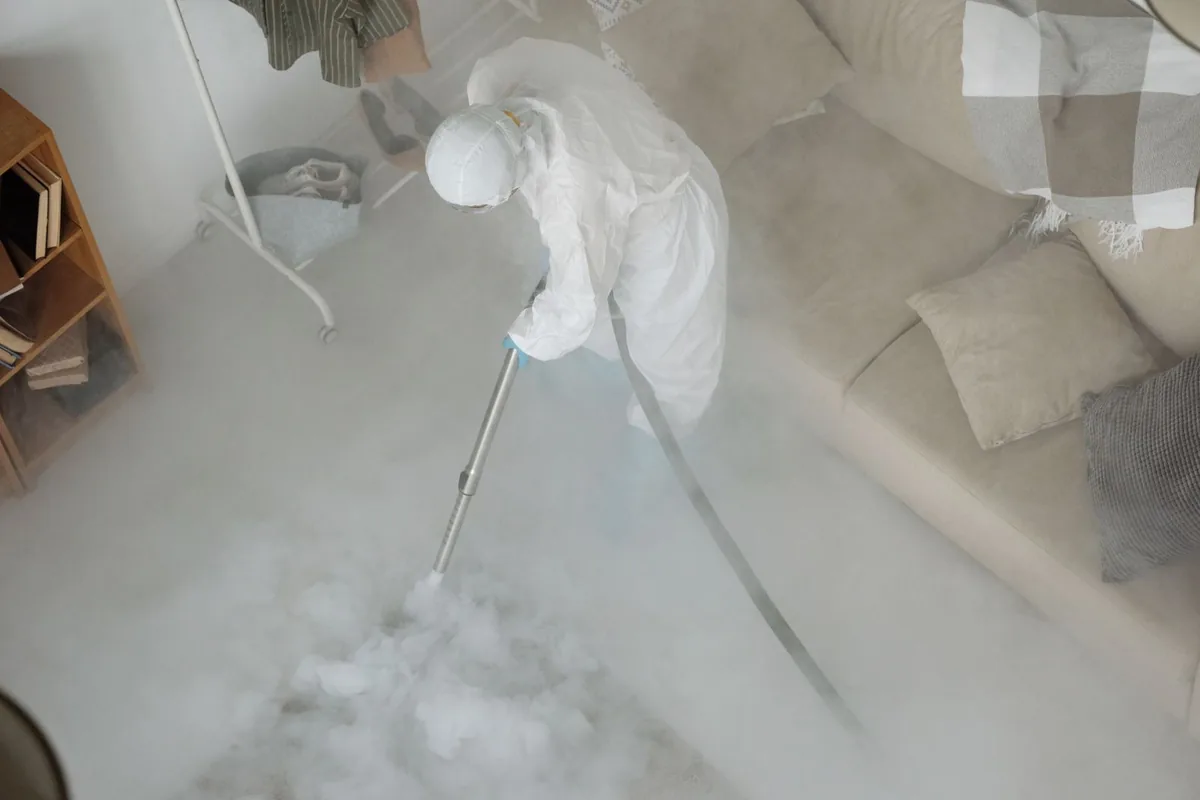
Biohazard cleanup is the professional removal, cleaning and disinfection of blood, bodily fluids, decomposition, sewage and other infectious materials after a death, crime, accident or illness. In Hampden South, you can get this local biohazard cleaning for homes, apartments, rental properties, churches, businesses and vehicles.
Biohazard cleaners provide emergency response 24/7 in unmarked vehicles. Cleanup technicians contain the affected areas, remove contaminated and hazardous materials, disinfect every surface and haul the biohazardous waste away. Crews serve Hampden South, Southmoor Park, Denver and the rest of Denver County.
Vacancy in Denver is lower than the Colorado average, at 7%, so most cleanups happen in occupied homes where families want the work done privately and with care. The census figure for older adults living alone in Denver is 39%, above the Colorado average. When someone lives alone, a death can go unnoticed for days, and unattended death cleanup follows.
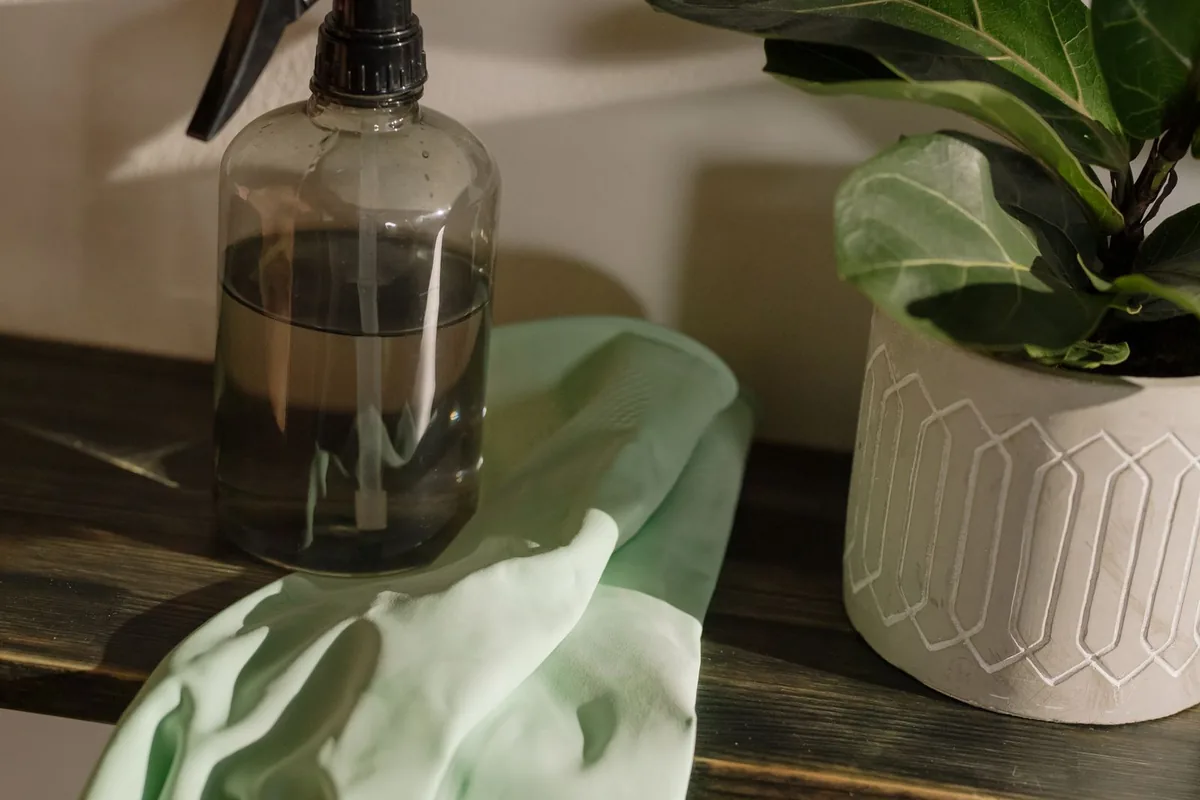
Household gloves and a spray bottle do not meet the standard for infectious materials. Biohazard decontamination follows 29 CFR 1910.1030, which sets rules for protective equipment, handling and disposal when blood or other potentially infectious materials are present.
Cleaning removes soil, and disinfecting kills germs, so both steps happen. Crews use EPA-registered disinfectants and let them stay wet for the full contact time, then use air scrubbers to pull particles and odor out of the air.
Looking for something specific? Each card below is a separate biohazard cleanup service for Hampden South, with its own page on process, safety and what to expect.
Blood, sewage, sharps and other biohazards removed and disinfected by cleanup crews in protective gear.
Learn more →Cleanup after violent crimes, break-ins and assaults, using protective gear and EPA-registered disinfectants.
Learn more →Discreet trauma cleaning that covers waste disposal, odor removal and records for insurers.
Learn more →Cleaning, disinfection and odor removal after a death that was not found right away.
Learn more →Gentle, discreet cleaning and disinfection of a home or rental after a death by suicide.
Learn more →Respectful homicide cleaning that removes blood, bodily fluids and odor after investigators release the scene.
Learn more →Blood in cars, vans and rideshare vehicles cleaned from seats, mats and panels, then disinfected.
Learn more →Bodily fluid clean up with protective gear, EPA-registered disinfectants and sealed disposal of contaminated materials.
Learn more →Commercial feces cleanup and urine odor control for restrooms, shops, schools and care sites.
Learn more →Removes soaked materials, disinfects and neutralizes odor in homes, rentals and vehicles.
Learn more →Hauling, disinfecting and odor removal for crowded homes, without judgment or pressure.
Learn more →Hoarding cleanouts for estates, sales and rentals, done carefully and without judgment.
Learn more →Crews clear waste, ruined materials and pests, then disinfect and deodorize each room.
Learn more →Filth cleanup for kitchens, bathrooms and living areas, with odor treated at its source.
Learn more →Sewer backup cleaning for toilets, drains, basements and crawl spaces in homes and businesses.
Learn more →Commercial decontamination services for offices, restaurants, schools, gyms and care sites after illness.
Learn more →Cleaning first, disinfecting second: a careful process that targets the germs, not only the stain.
Learn more →Local biohazard disposal services, from one sharps container to rooms of contaminated medical supplies.
Learn more →Used needle removal and property sweeps for yards, rentals, vacant buildings and businesses.
Learn more →Safe removal of sharps and drug use items, with disinfection and odor treatment afterward.
Learn more →Testing, removal, cleaning and retesting for properties where meth was made or heavily used.
Learn more →Fentanyl decontamination: powder and residue contained, collected and cleaned from homes, vehicles and workplaces.
Learn more →Safe removal of solvents, fuels, pesticides, mercury and unlabeled containers from homes and businesses.
Learn more →Hazmat cleaning for pavement, soil, buildings and equipment, with protective gear and lawful waste disposal.
Learn more →Careful tear gas removal that protects people and pets and documents the work for insurers.
Learn more →Safe wet-clean removal of mouse and rat droppings, nests and soiled insulation from attics and crawl spaces.
Learn more →Removal of insulation soaked with guano, plus odor treatment and sanitizing of the structure.
Learn more →Dead animal removal from walls, attics, crawl spaces and vents, with disinfection and odor treatment.
Learn more →Vehicle biohazard cleanup for cars, trucks, vans and buses, with soaked upholstery removed and odor treated.
Learn more →Accident scene cleanup for homes, stores, offices and vehicles, handled quietly with protective gear.
Learn more →Discreet after-hours service with unmarked vehicles, sealed work areas and regulated waste hauling.
Learn more →Careful clearing of a home after a death, with biohazard cleanup first when it is needed.
Learn more →The first step is deciding what is unsafe and how far the contamination goes. Hazards such as sharps, broken glass or sewage are noted before anyone starts.
The crew takes photos and notes of the affected areas and the work done. Homeowners insurance companies, landlords and compensation programs often ask for these records.
Porous materials are removed, surfaces are scrubbed and disinfected, and tools are cleaned between steps so germs are not carried to other rooms.
When the job is done, the family receives the paperwork they need for claims and a clear description of what was removed and treated.
Photos, documents, jewelry and keepsakes are set aside for the family whenever they can be safely saved.
A cleanup specialist explains the steps, the likely cost range and what the property owner needs to do next, in everyday words.
Death odor and sewage smell are treated with air scrubbers and hydroxyl or ozone equipment, not masked with sprays that fade.
OSHA bloodborne pathogen protocols, full PPE, EPA-registered disinfectants and lawful biohazard waste disposal on every job.
Biohazard cleanup in Hampden South, Denver, CO typically costs $500 to $25,000, depending on the type of biohazard, the size of the affected area and how far fluids soaked into porous materials.
Most residential jobs cost $3,000 to $5,000 (Fixr). The main price drivers are the area affected, the number of porous materials removed, the amount of odor treatment needed and the cost of regulated waste disposal. A small spill sits at one end and a hoarder house or unattended death at the other.
| Type of job | Typical range |
|---|---|
| Blood spill cleanup, small area | $500 - $2,500 |
| Crime scene cleanup, most homes | $1,500 - $7,500 |
| Unattended death cleanup | $2,000 - $7,000 |
| Suicide cleanup | $1,500 - $5,500 |
| Sewage cleanup, most homes | $2,000 - $10,000 |
| Hoarding cleanup, level 3 home | $2,000 - $5,000 |
| Meth lab cleanup, typical | $15,000 - $20,000 |
Estimates only, not a quote. Sources: Fixr, Yelp Costs, BioCleaners Directory, PushLeads, Dropcurb, Bob Vila and cleanup company cost guides. Call (877) 812-4220 to talk through the job.
Hoarder homes can hide rotting food, animal waste, mold and pests, along with fire and structural hazards. Hoarding cleanup sorts belongings and restores a livable condition.
Homes, churches and businesses may need infectious disease disinfection, needle and sharps cleanup, or meth lab and fentanyl decontamination after a property is released.
Failing septic systems and sewer backups push raw sewage, a Category 3 biohazard, into homes. Sewage cleanup removes contaminated materials and disinfects every surface.
Cars, trucks and work vehicles can carry biohazards after an accident, assault or medical event. Vehicle cleanup removes contaminated upholstery and disinfects every surface and vent.
When a death goes unnoticed for days, decomposition fluids reach flooring and subfloor and the odor spreads. Death cleanup removes the affected materials and treats the odor at the source.
About 56% of homes in Denver were built before 1980, and older carpet, subfloor and trim hold fluids deeper, which can mean more material to remove.
Not every biohazard looks the same or carries the same risk. A cleanup team sorts the problem by type and by size, and that sorting decides the protective gear, the method and the budget.
Yes. You can expect unmarked vehicles, quiet work and no discussion of the job with neighbors. Family members are not asked to see or handle anything.
The lease and local law decide, but landlords commonly get biohazard cleanup done for the building. A renters insurance policy may cover the tenant's belongings. Talk to the landlord and your insurer early.
Yes, when the source is removed and treated. The crew takes out the contaminated materials, disinfects the surfaces, and uses HEPA air scrubbers and hydroxyl or ozone equipment to clear the air, rather than masking the smell.
It is not safe. Household cleaners do not reach blood and fluids that soak into carpet, padding, drywall and subfloor, and there are rules for disposing of biohazardous waste. A professional biohazard cleaner uses PPE, EPA-registered disinfectants and regulated medical waste disposal.
Most biohazard clean up jobs take one to three days. A small blood spill can be finished in a few hours, while an unattended death with decomposition, a hoarder house or a meth lab can take a week or longer.
Symptoms such as stomach pain, vomiting and diarrhea can begin within a few hours to a few days after contact with raw sewage, depending on the germ. Sewage is a Category 3 biohazard, so it should be cleaned by a crew wearing protective gear, and anyone with symptoms should see a doctor.
Tell the landlord and the renters insurer right away. With renters in about 51% of homes in Denver, many rentals have a process for this. The building is usually the owner's job, and belongings may fall under the tenant's policy.
The census figure for older adults living alone in Denver is 39%, above the Colorado average. When someone lives alone, a death can go unnoticed for days, and that leads to unattended death cleanup.
Denver is the Denver County seat, and you can get help there along with Hampden South, Southmoor Park and Hampden. Call Hampden South Biohazard Cleanup Help at (877) 812-4220 to ask about a property in any of these towns.
A cleanup specialist is ready to talk it through whenever you are.
Call (877) 812-4220